
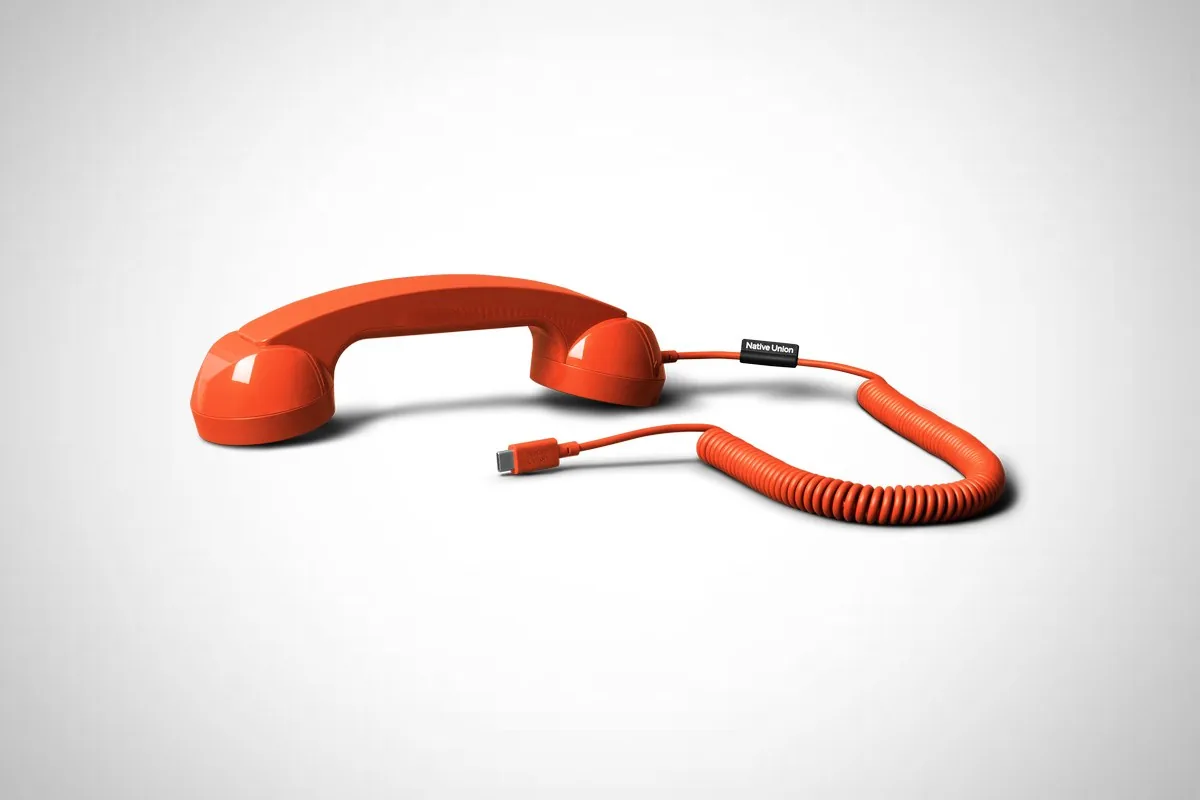
The POP Phone is an old-fashioned telephone handset, coiled cable and all, that plugs into a modern phone, laptop, or tablet. It connects by USB-C, so there’s nothing to charge or pair. Plug it in and talk. There’s a microphone and speaker in the handset, a button for picking up and hanging up, and it works on video calls too, if you’d like to take a Teams meeting on what looks like a 1970s phone. It’s made with recycled materials. It needs USB-C, so it won’t work with an iPhone older than the 15. It comes in about ten colours, including red, black, and green.
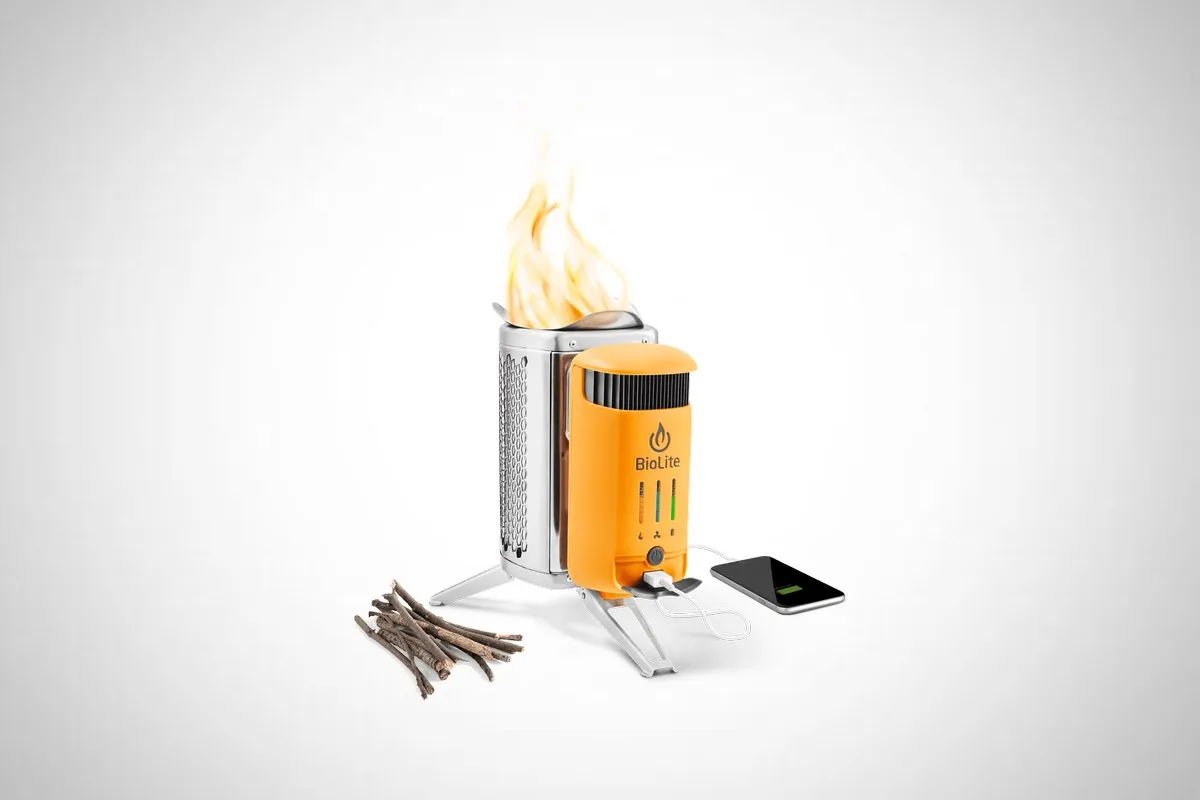
The BioLite CampStove 2+ burns sticks and twigs instead of gas, and turns some of the heat from the fire into electricity. A fan blows air into the fire to create a vortex of flame that burns hot and almost without smoke. You cook on top, and the orange pack on the side converts heat into power you can use to charge a phone or a head torch over USB while dinner’s on. Because it burns whatever you pick up, you don’t have to carry gas canisters. It packs down inside itself for carrying.

Vim’s keyboard commands are famously hard to learn and, once learned, hard to give up. Vim Scoops teaches them with an ice-cream van. The van is your cursor, the town is your text, and you drive to your customers using only the keyboard. No mouse, no arrow keys. Each level introduces a few motions and sets a keystroke par to beat. It starts with h, j, k, and l and works up through jumping by word, editing, searching, visual mode, and macros. There’s a demo level on the home page you can play straight away, plus lessons and a cheat sheet.
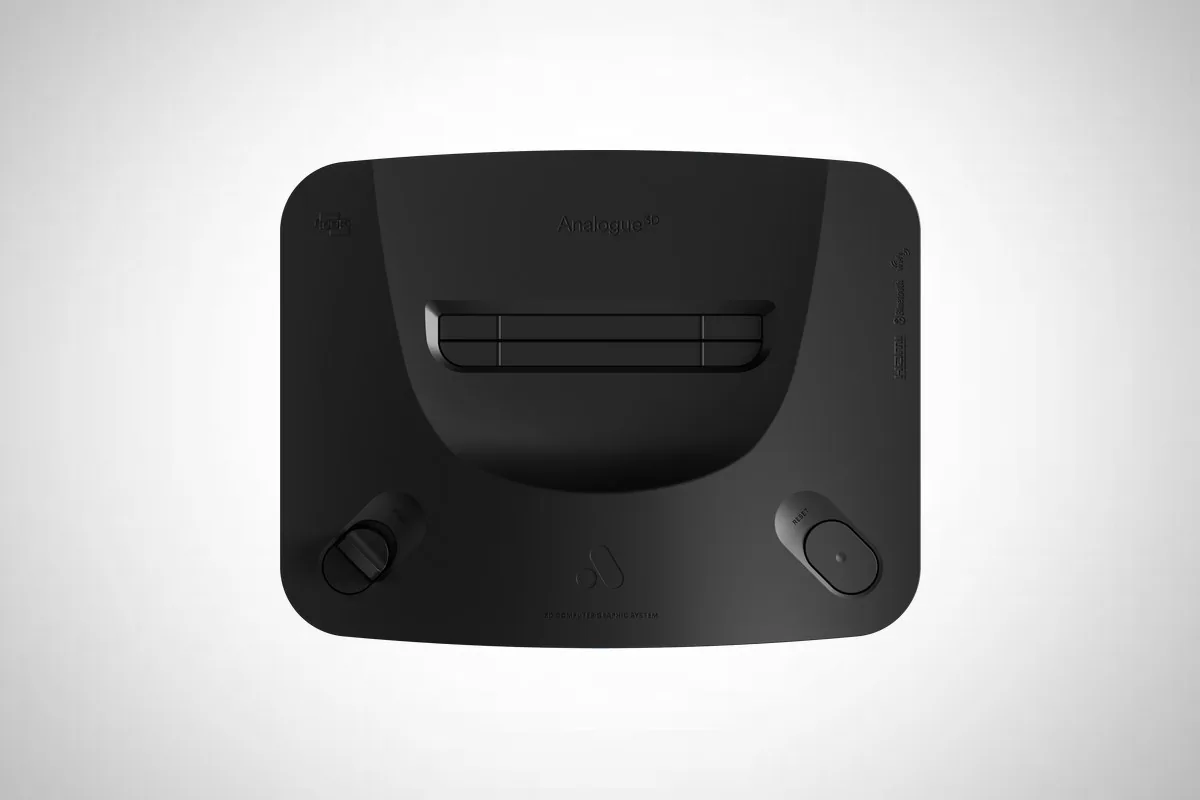
The Analogue 3D is a Nintendo 64 rebuilt from scratch. It plays the cartridges you already own, every original N64 game ever released, from any region, and outputs them in 4K. There’s no emulation involved. Analogue recreate the console’s hardware in an FPGA chip, so games run the way they did in 1996, only sharper. It has four controller ports in the original style, Bluetooth for wireless pads, and dual-band Wi-Fi.
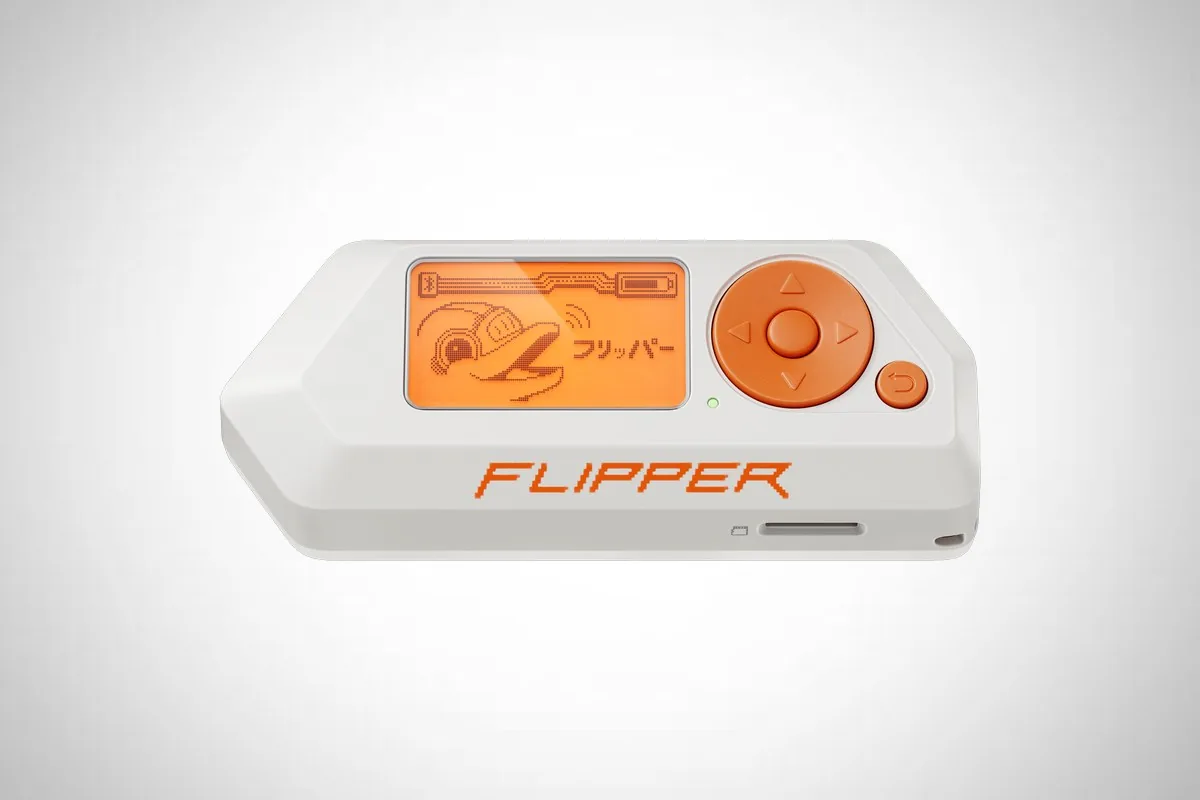
The Flipper Zero looks like a toy, with an orange D-pad and a cartoon dolphin living on its screen. It’s actually a multi-tool for poking at the invisible electronics around you: radio signals, access cards, infrared remotes, and hardware. It was made for security testers and people who like taking things apart to see how they work. It’s open source from top to bottom, so you can write your own apps for it or load ones other people have made. You’ll need a microSD card to use it, which isn’t in the box.
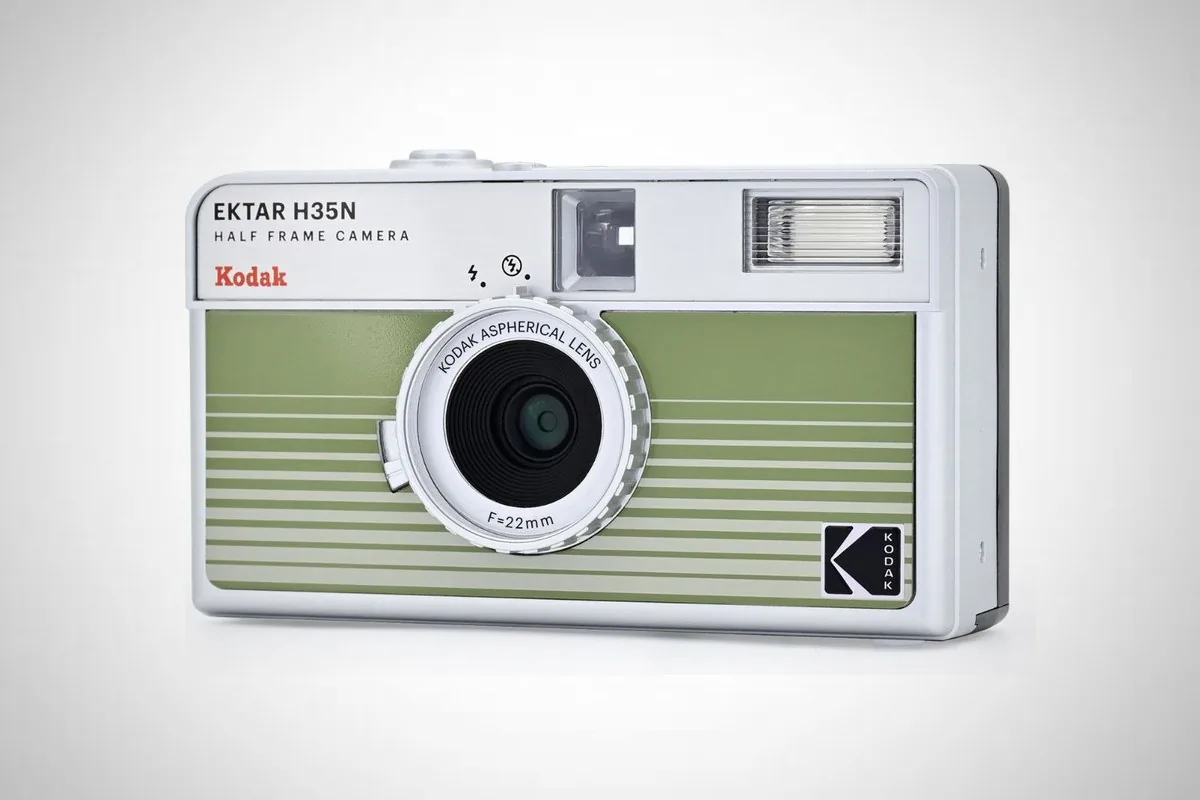
Film is expensive, and a half-frame camera halves the cost. The Kodak Ektar H35N takes two pictures in the space of one 35mm frame, so a 36-exposure roll gives you 72 photos. It’s a light, simple point-and-shoot with a built-in flash. This version improves the lens and adds a switch that puts a star filter over it, a bulb mode for long exposures, and a tripod mount to go with it. The viewfinder and rewind have been tidied up too. It comes with a wrist strap and a soft case, in six colours. The sage green is pictured.

QuestBar is a to-do app for Mac, iPhone, iPad, and Apple Watch. You pick one task as your current quest and it stays in view: in the menu bar next to the clock on a Mac, as a Home Screen or Lock Screen widget on an iPhone or iPad, and as a complication on your watch. You scribe a quest, begin it, vanquish it, and resurrect it if it turns out you weren’t finished. Quests sync through your own iCloud, there’s no account and no tracking, and it’s a single purchase covering every device rather than a subscription.
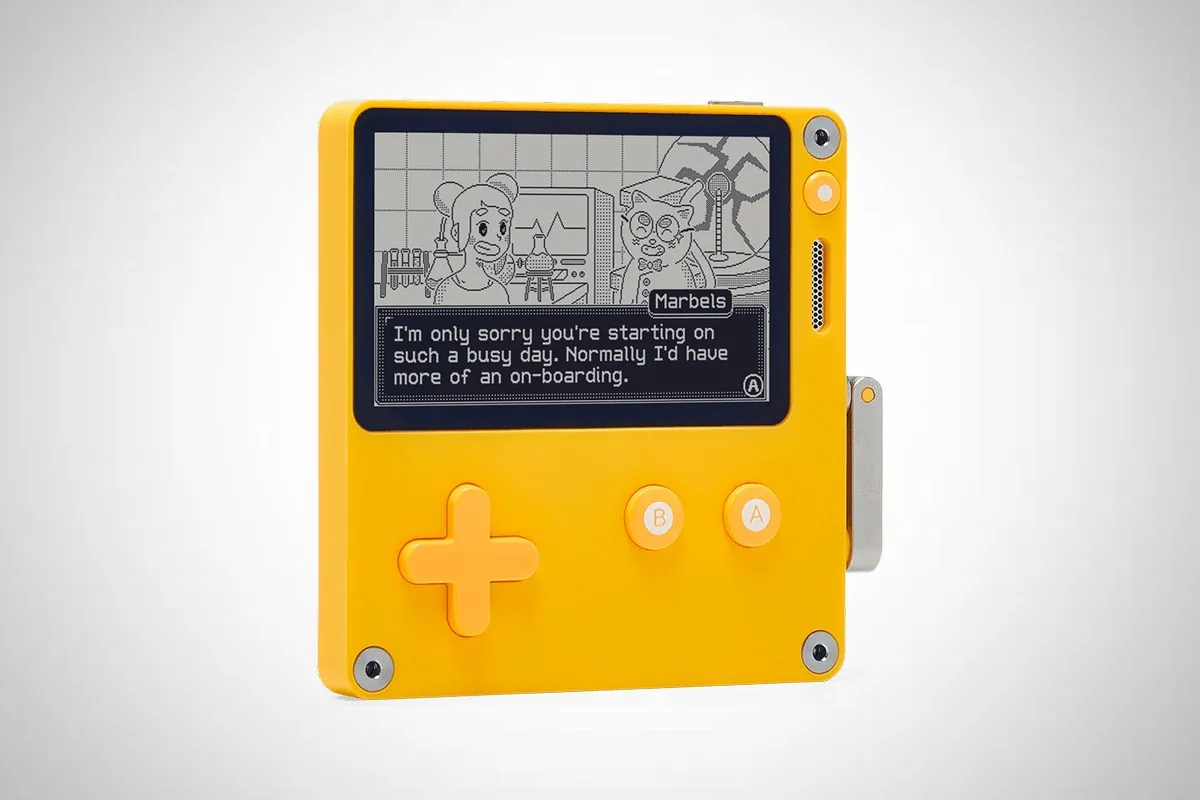
The Playdate is a handheld games console made by Panic, the company that published Untitled Goose Game, and designed with Teenage Engineering. It’s bright yellow, fits in your palm, and has a crank on the side. The screen is a 400×240 black-and-white display with no backlight. It’s sharp, and it’s easy to read in direct sunlight. The crank is used as a game control alongside the D-pad and buttons: depending on the game you’ll use it to reel in a fishing line, wind time backwards, or steer. It launched with a season of 24 games, released two a week. Panic also publishes a free SDK for making your own.
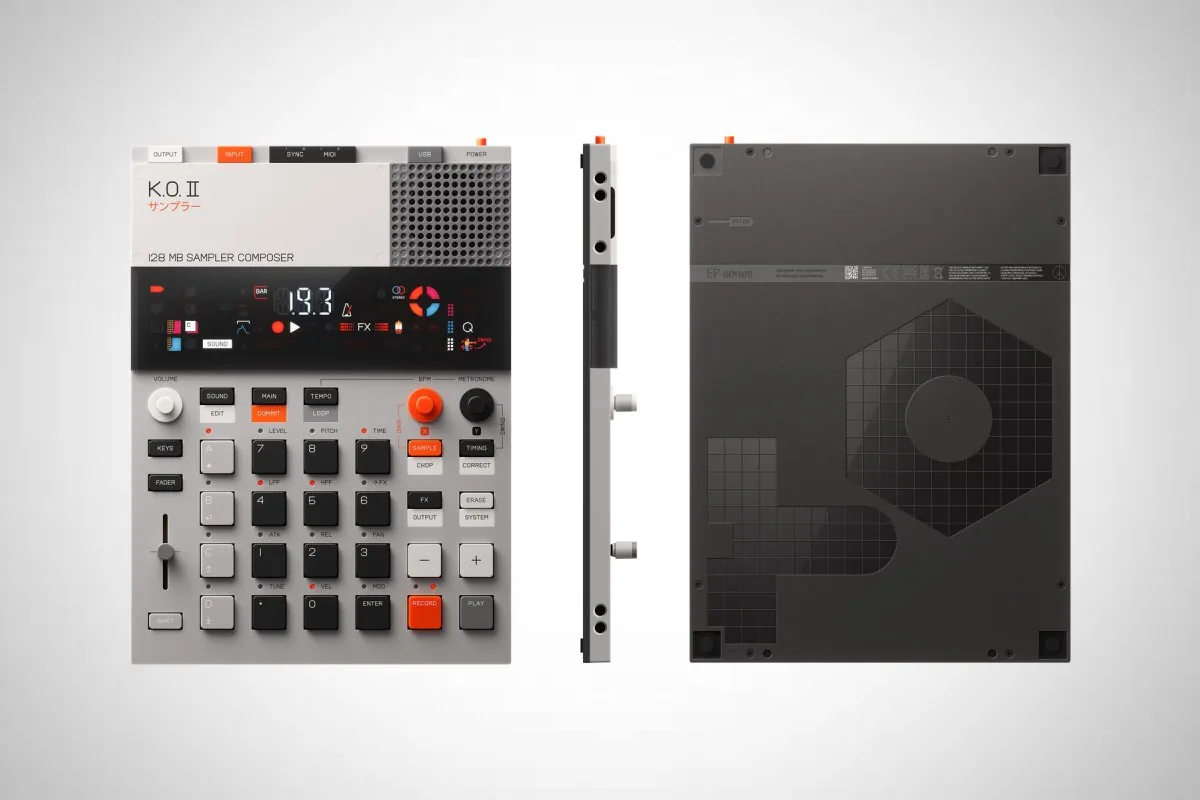
Teenage Engineering have never made a boring object, and the EP-133 K.O. II is no exception. It’s a sampler and sequencer about the size of a hardback and just 16mm thick, laid out like a piece of industrial equipment from a 1978 stockroom. Point the built-in mic at anything… a kettle, a door, your own voice, and it stores in one of 999 sample slots, ready to be chopped, pitched and sequenced. There’s 128MB of space to fill it with, MIDI in and out for the rest of your gear, and a speaker so you don’t have to dig out headphones to hear what you’ve done. All of this running on four AAA batteries, or USB-C when you’re near a plug.
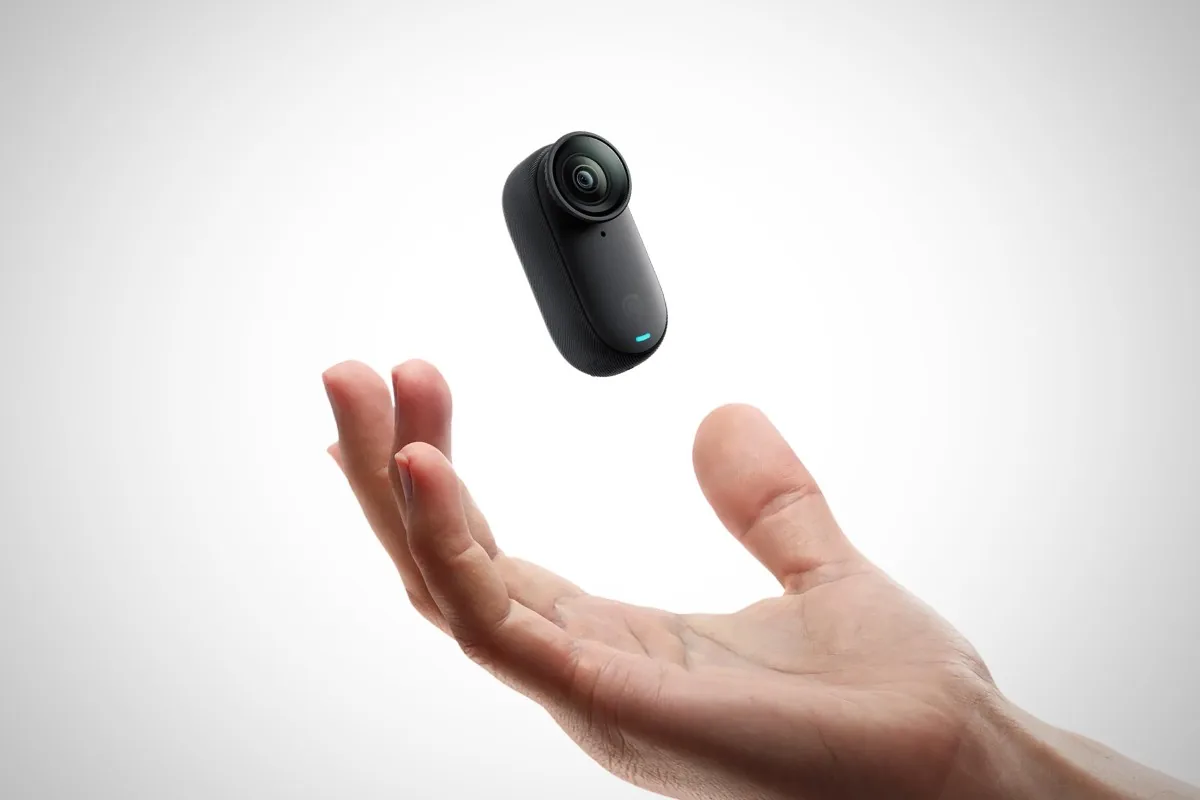
The Insta360 GO 3S is a compact yet powerful 4K camera designed for adventure. Small enough to fit in your pocket, this camera boasts durability and a sleek design that belies its robust capabilities. Whether clipped to your shirt, helmet, or worn as a pendant, its magnetic mount keeps your hands free to fully immerse yourself in the action. Weighing only 1.4oz (39g) and despite it’s small size, it delivers high-quality footage and features like the new MegaView FOV for expansive, distortion-free 4K hands-free POVs, and an impressive 140-minute battery life, ensuring you capture every moment with ease. Equipped with FlowState Stabilization and Horizon Lock, the Insta360 GO 3S guarantees smooth and level shots under any conditions. Its magnetic design and diverse accessory range enable versatile mounting options, empowering you to film from angles that other cameras can’t handle. Whether you’re diving into deep waters with its IPX8 waterproof capability or utilising QuickCapture for rapid shooting, the Insta360 GO 3S adapts effortlessly to your adventures. Enhancing usability further, Gesture Control and Voice Control options simplify shooting when the camera is
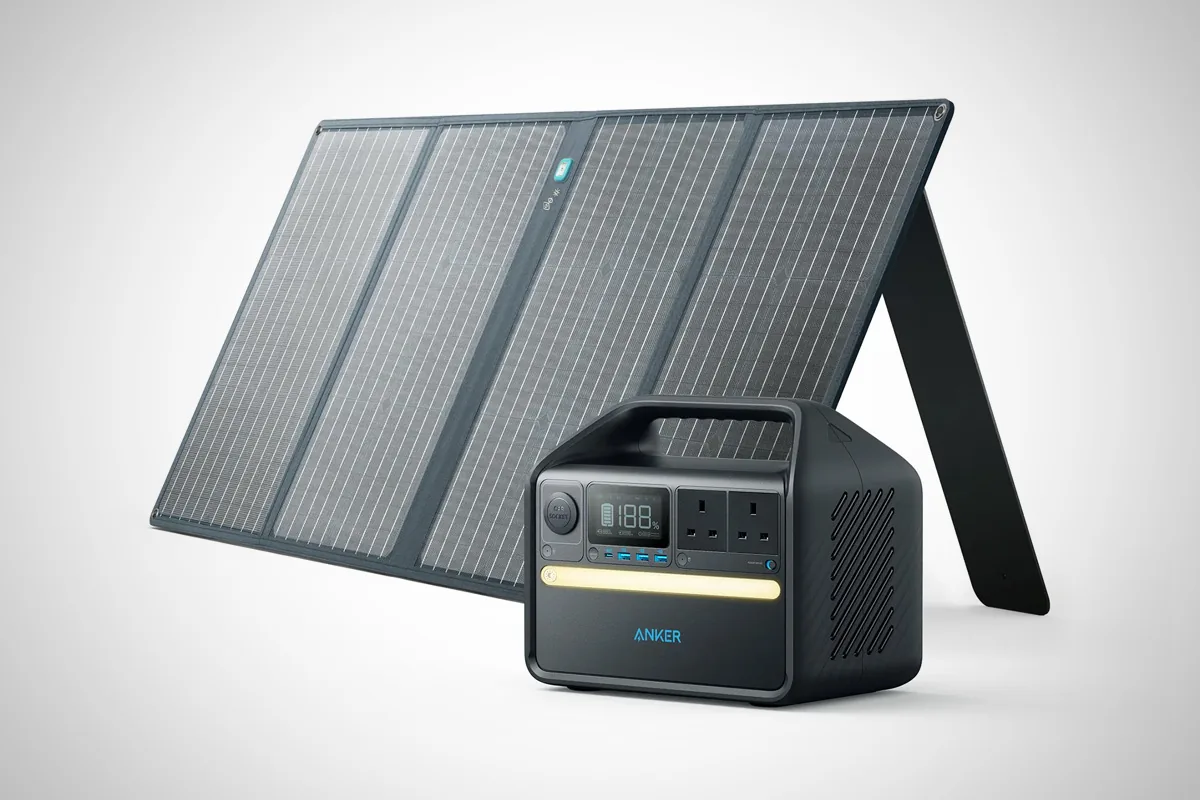
With energy prices going through the roof, and rolling blackouts seemingly just over the horizon, it’s about time we start thinking about generating and storing our own electricity. The Anker 535 PowerHouse is a stylish way to make sure you’ve always got your devices juiced up, and paired with solar panels it turns into the eco-friendly electrical generator you didn’t know you wanted. Equipped with premium LiFePO4 batteries that offer 6 times longer lifespan, the Anker 535 PowerHouse is housed in a drop-proof unibody structure, and uses industry-standard electric components for enhanced durability. What good is your own portable power station if it breaks down after a couple of years? Anker has you covered boasting a 10-year lifespan of daily device charging. It also comes with a 5-year full device warranty. You want some more specs? I’ve got you. Let’s talk solar panels. The supplied panels convert 23% of solar energy to electrical energy EVEN ON CLOUDY DAYS. If you’re lucky enough to have direct sunlight, the Anker 535 PowerHouse will recharge to 80% in just 4 hours. It has
The things you didn't know you wanted. Well-made, slightly unexpected objects, beautifully curated.
Some links on Dead Wallet earn a small commission, which helps keep the site going. Dead Wallet is a participant in the Amazon EU Associates Programme, an affiliate advertising programme designed to provide a means for sites to earn advertising fees by advertising and linking to Amazon.co.uk.
Copyright © 2026 Dead Wallet
Made by Modest ♥